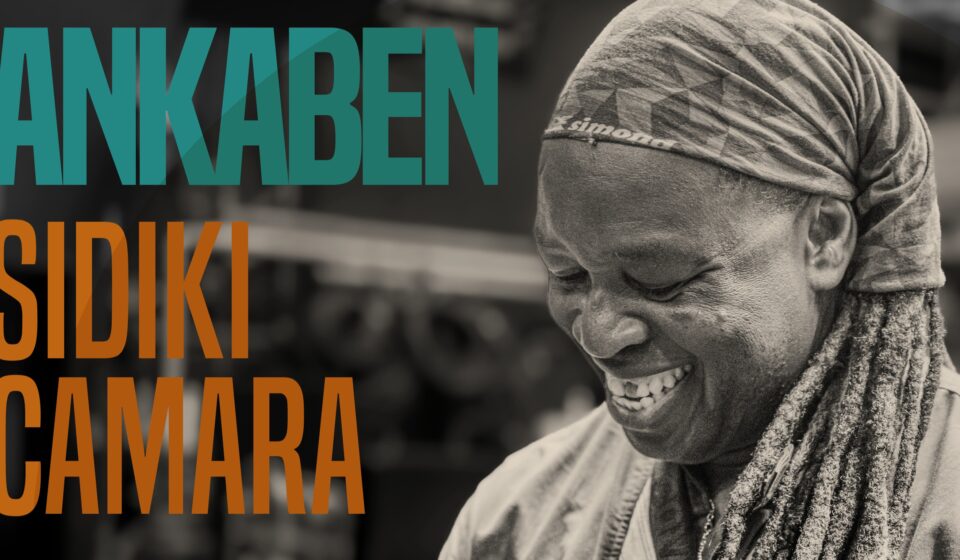

The album Ankaben by Sidiki Camara, which translates as “Humanity”, combines Malian musical traditions with Norwegian jazz, folk and more modern music. It is characterised by rich percussion, organic instrumentation, improvisation and collaboration, thus producing a collection in which West African influences stay at the heart of the work while the surrounding arrangements draw on a broader musical environment. Instead of keeping the different traditions separate, the songs are developed through their interaction, in keeping with Camara’s aim of bringing together different musical cultures via shared creativity and spontaneous expression.
Percussion plays a vital supporting role throughout the album, linking the tracks to Camara’s Manding musical origins while at the same time allowing the Norwegian group to add its own individuality. The saxophone, the vocals, the spoken word, the fiddle, the guitars and the bass develop the sound around this rhythmic base, producing an organic blend of instruments. The inclusion of Bendik Hofseth, Unni Løvlid, Sarah Camille, Erik Sollid, Jacob Young, Audun Erlien and Eirik Askerøi results in a wide-ranging ensemble sound without detracting from the album’s main connection to Malian tradition.
Improvisation was an important factor in the development of Ankaben. The album evolved out of the ‘Sidiki Camara // A Life in Music’ performance, which made its debut at Oslo World in 2024, and the group then went back to the studio in June 2026 to record the material at Oslo’s Rainbow Studios. This history is evident in the collaborative nature of the album, since jazz, folk music, contemporary Norwegian sounds and West African musical traditions come together through joint performance. The final collection shows a clear sense of interaction between the musicians.
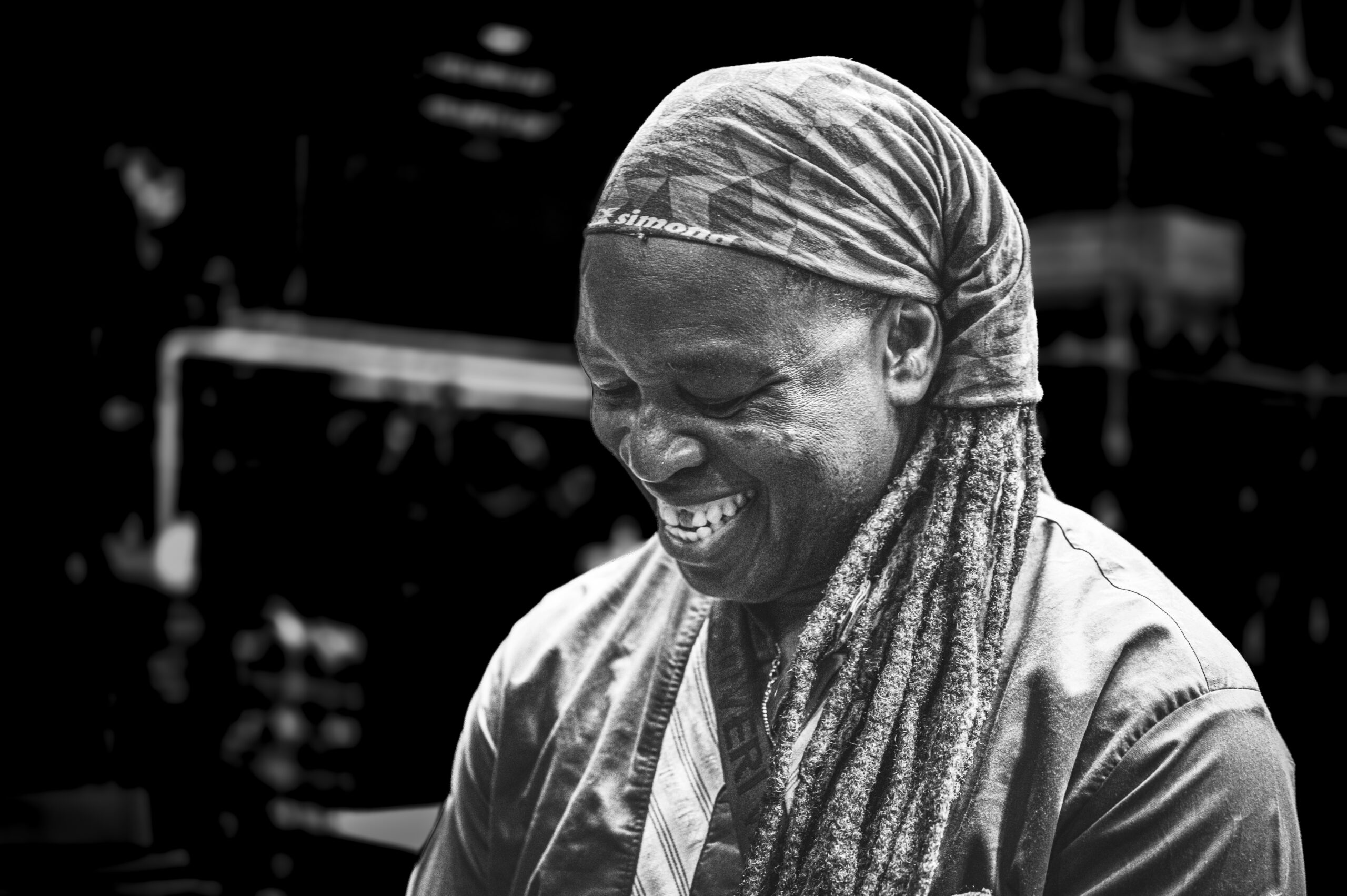
The fact that the title is “Ankaben” means that humanity is at the heart of the album’s message, since Camara sees music as a means for people to connect with one another across different cultures and differences. This concept is shown in the mix of traditions found on the record, as the Norwegian and West African influences coexist rather than being regarded as entirely separate worlds. Because percussion, improvisation and collective collaboration play a guiding role in the project, Ankaben offers a clear expression of togetherness, cultural connection and the view that music can bring people closer.